
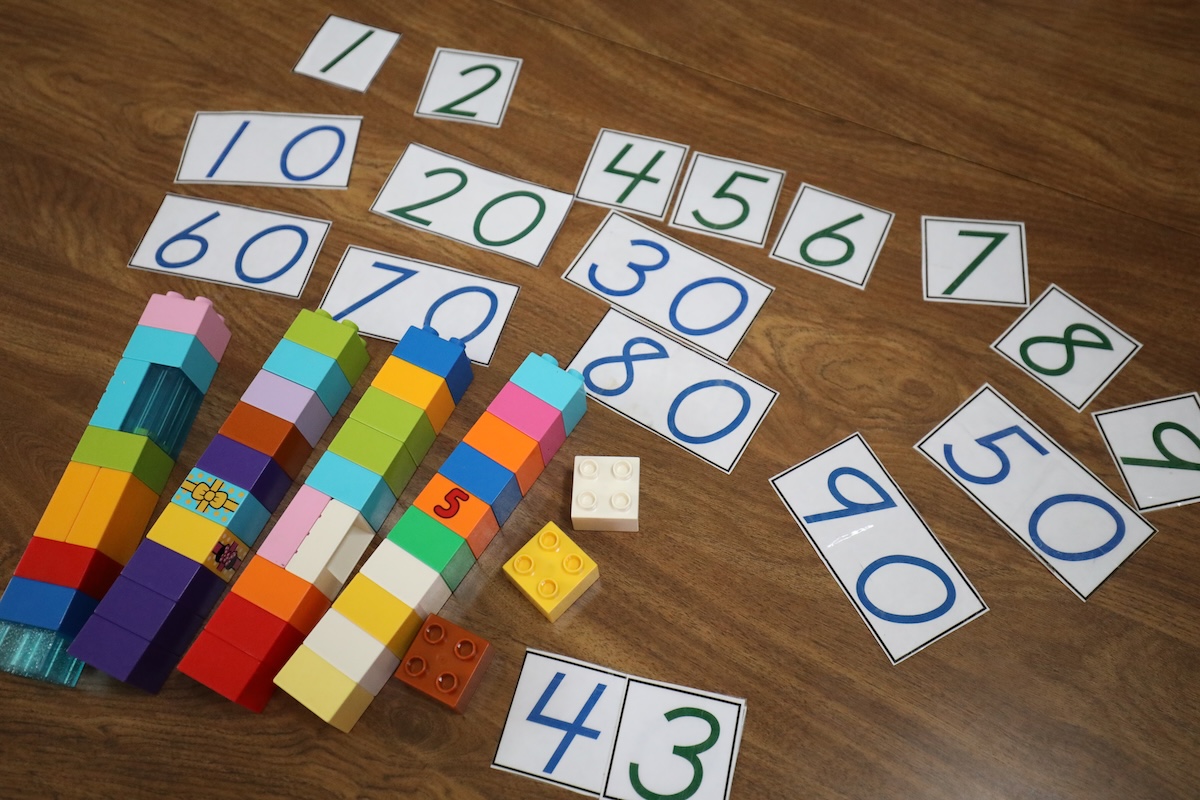
Understanding place value is a fundamental cornerstone in mathematics, shaping how students comprehend numbers and perform calculations. Yet, for many learners, traditional methods may not fully resonate. To bridge this gap, integrating diverse, engaging activities tailored to different intelligences can transform the way students perceive and interact with numbers. Whether through storytelling, music, physical activity, or nature-based exploration, there are countless ways to make place value concepts both accessible and enjoyable for all students.
Linguistic Intelligence (Word Smart)
- Place Value Storytelling: Students create short stories where numbers are characters, explaining how each digit moves to different places (ones, tens, hundreds) and how it changes.
- Number Riddles: Have students write riddles describing a number’s digits and their place values.
- Storytelling with Numbers: Have students create a story that involves different numbers and their place values. For example, they could write a tale about a family of numbers living in a neighborhood, where each house represents a different place value (ones, tens, hundreds). This encourages them to use language creatively while understanding the concept of place value.
- Number Interviews: Pair students and have them interview each other about their favorite numbers. They should ask questions about the digits in those numbers, discussing what each digit represents in terms of place value.
- Poetry of Place Value: Encourage students to write a poem or a rap about place value. They can use different numbers to illustrate how digits change value depending on their position.
- Place Value News Report: Have students create a news report or a podcast segment that discusses a “breaking story” involving place value. They could report on how numbers affect real-life situations, like money or population statistics, using specific examples to illustrate their points.
- Role-Playing as Digits: Organize a role-playing activity where students act as digits in a number. Assign them specific places (ones, tens, hundreds) and have them demonstrate how changing their position affects the overall value of the number. They can narrate their experiences as they “move” to different places.
- Creating Place Value Boards: Students can create a visual board where they write down numbers and explain the place value of each digit in the number using descriptive language. They can present their boards to the class.
- Place Value Riddles: Create riddles or problems where students have to identify a number based on its place value clues. For example, “I am a two-digit number where the tens digit is three times the ones digit.
Books:
- Place Value – David Adler
- Fair Bear Share – Stuart J. Murphy
- Earth Day – Hooray! – Stuart J. Murphy
- 100 Days of Cool!- Stuart J. Murphy
- Millions, Billions, & Trillions – David A. Adler
- If You Made a Million – David M. Schwartz
- Sir Cumference and All the King’s Tens
- Penguin Place Value – Kathleen Stone
- A Place for Zero
- Zero the Hero – Joan Holub
- How much is a Million? – David Schwartz
- A Million Dots – Sven Volker
Logical-Mathematical Intelligence (Number Smart)
- Expanded Form Race: Turn breaking numbers into expanded form (e.g., 345 = 300 + 40 + 5) into a timed game.
- Place Value Board Game: Roll dice to form the highest or lowest number possible in a race to 1000. Keep adding on from the last number.
- Mystery Number: Provide students with clues about a mystery number based on its place value (e.g., “I have a 5 in the hundreds place and a 2 in the tens place”). Students must use the clues to determine the mystery number.
- Place Value Puzzles: Create puzzles where students match numbers with their expanded forms or word forms. This can be done with cards or digital tools.
- Digit Swap Game: Give students a number, and have them swap digits around to create new numbers. Discuss how the value of the number changes with each swap, reinforcing the concept of place value.
- Estimating and Rounding Games: Have students estimate the value of large sets of objects (like buttons or blocks) and then round those estimates to the nearest ten or hundred.
- Create a Class Number Book: Each student can contribute a page representing a number, showing its place value in different forms. This collaborative project allows students to explore place value creatively while engaging with their peers.
- Place Value Riddles: Create riddles or problems where students have to identify a number based on its place value clues. For example, “I am a two-digit number where the tens digit is three times the ones digit.” This encourages critical thinking and logical deduction.
- Interactive Number Charts: Use large chart paper to create a class number chart. As students learn about new numbers, they can add them to the chart, categorizing them by their place values. This visual representation can help reinforce their understanding.
- Building Numbers with Legos: Use Lego bricks to create visual representations of numbers. Assign different colors for different place values (e.g., red for hundreds, blue for tens, green for ones) and have students build numbers physically, solidifying their understanding of place value.
Visual-Spatial Intelligence (Picture Smart)
- Base Ten Blocks: (Base ten blocks (units, rods, flats, cubes)) Have students build numbers using the blocks (e.g., 347 = 3 flats, 4 rods, 7 units). Ask them to name each place value aloud. Ask them to trade 10 units for 1 rod and 10 rods for 1 flat to understand regrouping.
- Place Value Mats: (Laminated place value mats labeled ones, tens, hundreds, thousands, and counters or number cards) Students place counters in the correct column to represent a number. Move counters between columns to show regrouping.
- Place Value Dice Roll: (Dice and place value charts) Roll dice to generate digits. Students place digits on a chart to build the largest or smallest number possible. Discuss the impact of each digit’s placement.
- Expanded Form with Linking Cubes or DUPLO: (Linking cubes in different colors) Assign each color a place value (ones, tens, hundreds). Students connect cubes to build numbers, then break them apart to demonstrate expanded form. Or use them to keep adding on and making new tens rods.
- Number Line Jumps: (Large floor number line and sticky notes) Students “jump” by tens, hundreds, or thousands. They can physically move along the line to show the value of each digit increasing by its place.
- Number Line Hop: Create a large number line on the floor using tape. Call out different numbers and have students hop to the correct position on the number line. This helps them understand the distance between numbers and the place value concept.
- Cup Stack Place Value: (Styrofoam or plastic cups and markers OR use cards and rubber bands to group off the difference place values) Write digits 0–9 on cups. Stack cups labeled ones, tens, hundreds to build numbers. Swap 10 ones cups for 1 tens cup to show regrouping.
- Bead Strings or Abacus: (Place value abacus or bead strings divided into ones, tens, hundreds / Montessori Beads) Add beads to represent digits. Slide beads across to count and regroup. Challenge students to show numbers in standard and expanded forms.
- Place Value Flip Cards: (Flip cards for each place value (ones, tens, hundreds)) Create numbers by flipping cards. Ask students to read and write the number in standard, word, and expanded forms.
- Domino Place Value: (Dominoes and place value mats) Use the domino’s two sides as digits. Students place dominoes on the mat to form 2-digit or 3-digit numbers, then explain the value of each digit.
- Money (or place value coins) Manipulatives: (Play money (pennies, dimes, dollars)) Relate pennies to ones, dimes to tens, and dollars to hundreds. Have students trade 10 pennies for a dime and 10 dimes for a dollar to practice regrouping.
- Place Value Pocket Chart: (Pocket chart with columns labeled hundreds, tens, ones) Students insert number cards into the correct columns and read the full number.
- Place Value Chart Match: Students match cards with digits to positions on large floor charts.
- Interactive Number Drawing: Draw place value “houses” (ones, tens, hundreds) and place digit cards in the correct house.
- Base-Ten Block Art: Create visual patterns or pictures using base-ten blocks while labeling place values.
- Create a base ten necklace using Fruit Loops to reach a total of 100. Start with 10 red loops, followed by 10 yellow loops, and continue in this manner.
- Use base ten blocks, sticks, rocks, or drawings to represent the numbers found on POKEMON CARDS.
- Use printed off base ten blocks and arrange them to create a picture of your choice. Write your total number and display.
- Write the number, expanded form, and the quantity of each tens, ones, etc.
- Flip cards to make a double or triple digit number. Create that number with duplo blocks or base ten blocks. Also use place value cards and build the number. For example, if you have 26, use a 20 and a 6 and place the 6 on top of the 0.
- Keep adding cards and using duplos to represent your number. As you add on, create new tens rods and see how high you can get.
- Spin-Say-Build. Toss a coin or flip a small object onto a chart of numbers. Whatever number it lands on, announce it aloud. Next, use rods and cubes to represent your number. For instance, if you flip a top and it lands on 45, say “forty-five” and then use four rods and five cubes to create that number. You can take turns, or if you’re playing solo, just keep going!
- Color in 100’s chart by saying color in all of the numbers with a 1 in the tens or etc.
- Compare larger/smaller numbers.
- Use money (either $1, $10, $100 or coins .01, .1, ) in lieu of base ten blocks.
- Place Value Mats: Create mats with columns labeled “Thousands,” “Hundreds,” “Tens,” and “Ones.” Provide students with cards or manipulatives that represent different values, and have them place the items in the correct columns to form various numbers.
- Expanded Form Exploration: Have students write numbers in expanded form using manipulatives, such as coins or blocks. For example, for the number 347, they could represent it as 300 + 40 + 7 using the corresponding blocks.
- Interactive Place Value Charts: Use large charts where students can come up and place different digits in the correct place value columns. This can be done with sticky notes or magnetic numbers.
- Place Value Blocks: Use base ten blocks to represent different place values. Have students physically manipulate the blocks to build numbers. For example, they can create the number 235 using 2 hundreds blocks, 3 tens blocks, and 5 ones blocks. This visual representation helps them understand the concept of place value.
- Place Value Puzzles: Create puzzles where students match numbers with their corresponding place value breakdown. For example, a puzzle piece might say “300 + 40 + 5” and they must find the piece that represents “345.”
- Place Value Bingo: Design a bingo game with numbers that represent different place values. Call out a place value (like “2 tens”) and have students cover up the corresponding number on their bingo cards (like 20, 21, 22, etc.). This helps reinforce their understanding of how different place values combine to form numbers.
- Build a City: Have students use small boxes or building blocks to construct a “city” where each building represents a different place value. For instance, a tall tower could represent hundreds, while smaller structures could represent tens and ones. This visual and tactile activity allows students to explore the concept of place value in a creative way.
Manipulatives:
- Duplo/Lego Base ten blocks (tangible, picture, or draw square, line, dots..)
- 100, 10’s, 1’s coins
- Number Line
- Monopoly money/ Fake Money / coins
- Number Bond
- Cards – playing cards or uno
- Dominoes
- Number tiles (like scrabble tiles)
- Beads (like Montessori but make your own)
- Tens Frame
- Hundreds Chart
- Ruler / Measuring Tape
- Beads/Beans … etc
Bodily-Kinesthetic Intelligence (Body Smart)
- Place Value Hopscotch: Create a large hopscotch grid on the floor using tape. Label each square with different place values (units, tens, hundreds, etc.). Students hop to the correct square as you call out numbers. For example, if you say “253,” they would hop to the hundreds, tens, and units in the correct order.
- Human Place Value: (Digit cards or sticky notes) Assign each student a digit and have them stand in line as ones, tens, or hundreds. Switch positions to show how place changes value.
- Jumping Numbers: Lay down large number mats and have students hop to the correct place for a called-out number.
- Place Value Relay: Teams race to assemble numbers on a big floor chart using giant digit cards.
- Place math equations around the room and have participants walk around to solve them. They can write down their answers for record-keeping.
- Number Formation with Body Movement: Have students use their bodies to form different numbers. For example, they can create the number 345 by having three students stand tall to represent hundreds, four students crouch for tens, and five students lie down for units.
- Human Number Line: Have students arrange themselves in a human number line. Assign each student a card with a number that represents a place value (e.g., 2 in the hundreds place, 5 in the tens place, and 3 in the units place for the number 253). They can physically move to form different numbers and demonstrate how place values change with different arrangements.
- Place Value Relay Race: Set up a relay race where students run to different stations. At each station, they must collect or assemble items that represent different place values, such as blocks or counters for units, bundles of ten for tens, and larger groups for hundreds. Once they gather their items, they must assemble them correctly to show a specific number.
- Integer Building Blocks: Use building blocks or LEGO bricks to represent different place values. Assign a specific color or size for units, tens, and hundreds. Students can build structures to represent various numbers, allowing them to visualize the value of each digit based on its position.
- Sorting Game: Prepare cards with digits and place value labels. Students must physically sort themselves into groups based on the place value of their digits. For instance, a student holding a card with the number 7 in the hundreds place would join the hundreds group, while another with a 4 in the tens place would join the tens group.
Musical Intelligence (Music Smart)
- Rhythm Counting Game: Students pass a ball to the beat while saying each digit and its value.
- Place Value Song Creation: Encourage students to create a catchy song or rap that explains place value concepts. They can use instruments or simple percussion to accompany their lyrics.
- Musical Numbers Game: Set up a game where students are assigned different place values (ones, tens, hundreds, etc.) and play music. When the music stops, they must form groups according to the place value called out. For example, if “hundreds” is called, they group together to represent a number in the hundreds place.
- Rhythmic Counting: Use clapping or drumming to create rhythms that correspond to different place values. For instance, snaping fingers can represent one, claps for ten, stomping for hundreds and so on.
- Place Value Instruments: Use musical instruments to represent different place values. For example, a xylophone can represent ones, a tambourine for tens, and a drum for hundreds. Students can create simple compositions that illustrate different numbers, using each instrument to symbolize its respective place value.
- Melody and Movement: Develop a movement activity where students move to different stations that represent different place values. At each station, they can play a specific note or sound related to that value. This could involve simple instruments or vocal sounds, helping them internalize the concept through physical and musical expression.
- YouTube: Dylan Peters EDU – Place Value Song, Harry Kindergarten Music – Numbers in Teens, Mighty Owl – Tidy Tens: two digits, Jack Hartmann – Skip Count by 10, Numberock – Place Value to the Millions, Numberock – place value song for kids, Numberock – Expanded Form Word, Teach and Glow – Place Value Song, Gary Eisenberg – Place Value Rap, Mr. R – Place Value Song Millions & Billions
Interpersonal Intelligence (People Smart)
- Base-Ten Block Building: (Base-ten blocks (ones, tens, hundreds)) Call out a number like 243. Students build it using 2 hundred flats, 4 ten rods, and 3 unit cubes. Ask them to say the value of each digit aloud.
- Place Value Flip Cards: (Index cards with digits 0–9) Students lay cards in ones, tens, and hundreds columns to build numbers. Flip one digit and ask, “What is the new number?” explain how it changed.
- Roll and Build Numbers: (Dice, place value mats) Roll three dice. Place each number in ones, tens, or hundreds to make the largest or smallest number possible.
- Number Building Relay: (Large digit cards) Teams race to arrange large digit cards in the correct order for a called-out number on a floor chart.
- Place Value Spin and Write: (Spinner with digits 0–9, whiteboards) Spin three times to create a 3-digit number. Students write it, then break it into expanded form.
- Peer Teaching: Students explain place value to a partner using manipulatives.
- Number Detective Game: In pairs, one student gives clues about a number and the other guesses it.
- Group Number Challenge: Teams collaborate to form the largest or smallest number with given digit cards.
- Flip two or more cards at a time to make a double or multiple digit number. Order the random numbers from smallest to largest along a line.
- Round numbers to the nearest ____. Create a board and play bump.
- Create a random number out of cards. Spin a spinner that says different place values. The place value it lands on, round that number to that place value.
- Create a random number out of cards then write that number in expanded form.
- Flip a random number of cards and try to make the largest or smallest number possible.
- Play WAR. Flip a designated number of cards. Whoever has the largest number keeps the cards. Whoever has the most cards in the end, wins.
- Number Line: Incorporate base ten blocks into your game. Flip over two cards to create a double-digit number. Begin at zero and continue adding the values of the newly flipped cards. The first player to reach the end wins! Keep representing numbers with the blocks and record your answers as you go.
- Make card with place value names on it (ones, tens, hundreds, etc). Make random numbers and pick a place value card and you have to say what number is in that position. More advanced – round to that nearest number.
- Place Value Bingo: Design bingo cards filled with numbers representing different place values. Call out place values (like “3 in the tens place”) and have students cover the corresponding numbers on their cards.
- Place Value Charades: Divide students into small groups and give each group different place value cards (e.g., ones, tens, hundreds). Students take turns acting out a number using their cards, while others guess the number. This encourages teamwork and communication.
- Number Line Relay: Create a large number line on the floor using tape. Divide students into teams and give each team a set of numbers. They must work together to place their numbers correctly on the number line, discussing the place value of each number as they do so.
- Place Value Poster Creation: In groups, students create a poster that represents a specific number in various forms (base ten blocks, expanded form, word form, etc.). They will present their posters to the class, fostering collaboration and communication about place value concepts.
- Place Value Trading Game: Set up a game where students use play money to trade amounts based on place value (e.g., trading ten ones for one ten). This activity promotes teamwork as students strategize on how to maximize their trades while reinforcing their understanding of place value.
- Storytelling with Numbers: Have students work in pairs to create a story that includes specific numbers and their place values. They can then perform their stories for the class, integrating creativity with mathematical understanding.
- Human Place Value Chart: Assign each student a number or a place value (ones, tens, hundreds). Have them line up in the correct order to represent a large number. This physical activity encourages movement and collaboration while reinforcing the concept of place value.
- Collaborative Place Value Puzzles: Create puzzles where students must work together to match numbers with their corresponding place value representations. They can discuss their reasoning and strategies as they complete the puzzles, enhancing their interpersonal skills.
- Place Value Games: Create board games or card games that emphasize place value.
Intrapersonal Intelligence (Self Smart)
- Expanded Form Match: (Number cards and matching expanded form cards) Students match 3-digit numbers (like 572) to their expanded forms (500 + 70 + 2).
- Number Journaling: Students reflect on how place value helps them understand numbers in everyday life.
- Self-Paced Place Value Challenges: Individual practice with increasing difficulty levels.
- Personal Number Connection: Write about a meaningful number in their life and break it down by place value.
- Place Value Journals: Have students maintain a journal where they can explore place value concepts. They can write about their understanding, create drawings, and reflect on their learning process. Encourage them to include personal experiences related to numbers, such as counting items at home or budgeting their allowance.
- Place Value Art Project: Allow students to create a piece of art that represents different place values. For instance, they could use colored beads or buttons to visually depict hundreds, tens, and ones.
- Personal Number Stories: Have students choose a significant number in their lives (like their birthday or a favorite number) and write a story about it. They should include how the place values contribute to the meaning of that number.
- Math Reflection Circles: Organize small group discussions where students share their thoughts on place value. Afterward, they can write a reflective piece about what they learned from their peers.
- Place Value Manipulatives: Provide students with manipulatives like base-ten blocks or place value charts. Allow them to explore these tools independently, creating different numbers and reflecting on how changing one digit affects the overall value.
- Digital Storytelling: Encourage students to create a digital presentation or video about place value. They can script their stories, illustrating how place value works through examples from their lives.
- OSMO: Math Wizard Magical Workshop – dragon drop
- NCTM APP: Number Pieces
- APPS: IXL, Khan Academy Kids, Khan Academy, MathSeeds (on reading eggs)
- Games: Math Playground – Untamed Number Names, Math Playground – Video Place Value, Math Playground Place Value Party, Math Playground Mystery Number, Math Playground Pop Penguin & Place Value Race, Funbrain – Place Value Puzzle
Naturalist Intelligence (Nature Smart)
- Place Value Sorting: Use seeds, shells, or sticks to create groups of ones, tens, and hundreds.
- Environmental Number Mapping: Count and label objects found outdoors using place value charts.
- Research the ages of all your family members, including your great grandparents’ ages (or what they would be if they were still alive). Arrange the family members in order from youngest to oldest, prioritizing age and then year of birth.
- Create a timeline that highlights your age, birth year, and significant events in your life. Alternatively, you can compile various historical events, arranging them chronologically on a timeline using images and dates.
- Research your favorite sports team and gather information about all the players along with their jersey numbers. Arrange them in order from the smallest jersey number to the largest.
- Utilize sticks and rocks to create base ten rods for counting items outdoors.
- Real-Life Place Value: Have students collect real-life items (like coins) and categorize them by place value. Discuss how these items represent different values in everyday life.
- Nature Number Hunt: Take students outside to collect natural items such as leaves, stones, or sticks. Assign each type of item a different place value (e.g., leaves for hundreds, sticks for tens, and rocks for ones). Have students create and represent different numbers using their collections, discussing how each item represents its place value.
- Garden Rows: Create a garden plot where each row represents a different place value. For example, the first row could represent hundreds, the second tens, and the third ones. Students can plant seeds or place markers to represent numbers. This visual representation helps them understand how numbers build on each other.
- Place Value Scavenger Hunt: Organize a scavenger hunt where students search for objects in nature that can represent different place values. For example, they might find large rocks for hundreds, medium stones for tens, and small pebbles for ones. After collecting, they can create and present different numbers using their finds. Have students place their collected items into the chart according to their value. They can explore different combinations to form numbers and discuss how the place value changes with each arrangement.
By embracing a variety of teaching strategies that cater to different learning styles, educators can create dynamic and inclusive math experiences. From musical rhythms to nature hunts, role-playing to digital storytelling, these creative activities not only reinforce place value concepts but also ignite a lifelong love for learning math. When students connect with numbers in meaningful, hands-on ways, they build a deeper understanding and confidence that extends beyond the classroom.
Get Your Place Value Packet!
Place Value Packet
From the beginning to decimals

@engagethestages
Get Your Monkey Math: Place Value!
Monkey Math
Place Value Game

@engagethestages


