
Author: Engage the Stages
-
The Importance of Using a Hundreds Chart in Learning Counting On in Addition
Introduction A hundreds chart is a vital tool in early math education, especially when teaching counting on in addition. This structured grid, typically displaying numbers from 1 to 100 in ten rows of ten, helps young learners visualize number sequences, recognize patterns, and understand the progression of numbers. By incorporating a hundreds chart into counting-on Read more
-
The Importance of Using Duplo/Lego or Base Ten Blocks in Learning Counting On in Addition
Introduction Incorporating Duplo/Lego or base ten blocks into early math education is an engaging and effective way to teach counting on in addition. These manipulatives provide a tactile and visual representation of numbers, helping young learners grasp abstract mathematical concepts through hands-on exploration. Their versatility and appeal make them ideal tools for fostering foundational math Read more
-
The Importance of Placing the Bigger Number in Your Head and Counting On with Fingers in Learning Counting On in Addition
Introduction Placing the bigger number in your head and counting on with fingers is a key strategy in early mathematics education, particularly for teaching counting on in addition. This mental math technique helps children move beyond basic counting and fosters a deeper understanding of number relationships. By anchoring to the larger number and using fingers Read more
-
The Importance of Using a Number Line to Count On in Addition
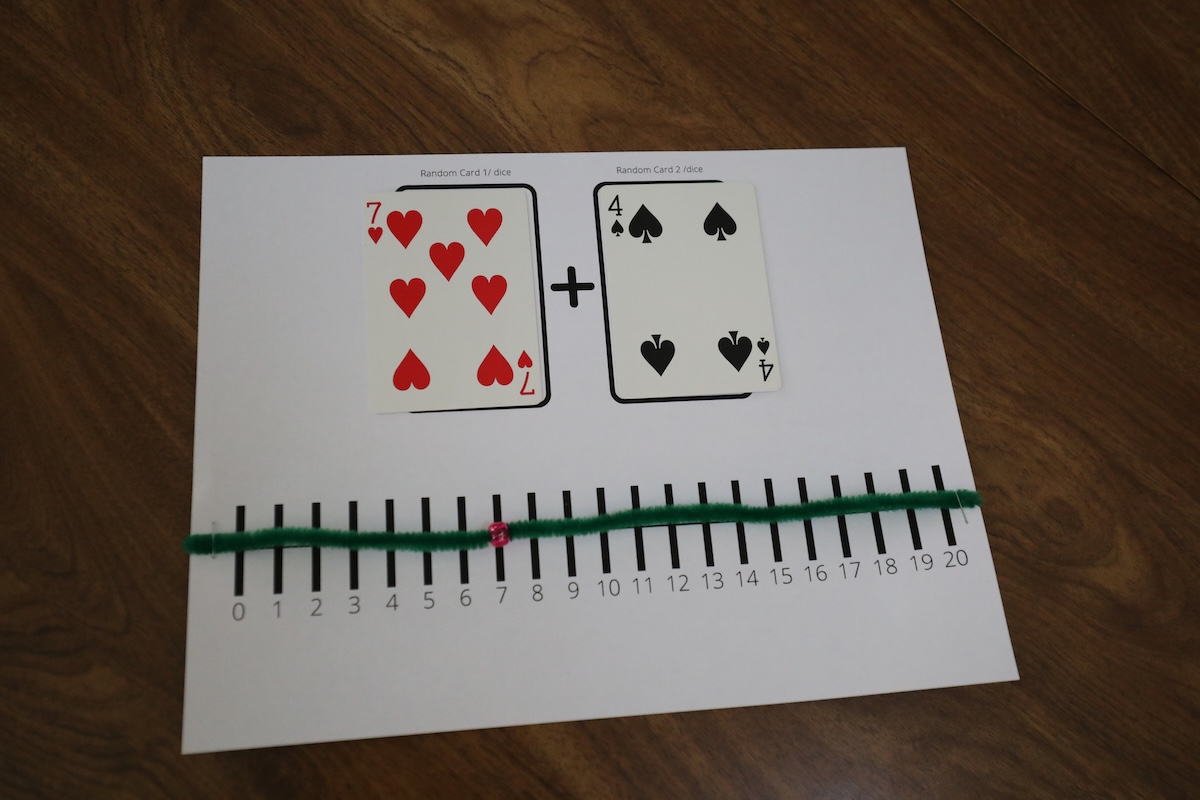
Understanding addition is foundational in early math education, and one effective strategy is “counting on.” This method helps children grasp how numbers build upon one another. Incorporating a number line into this process is crucial because it provides a visual representation of numerical relationships, enhancing both conceptual understanding and problem-solving skills. Why It’s Important Steps Read more
-
Teaching and Mastering Counting On In Addition For Each Multiple Intelligence
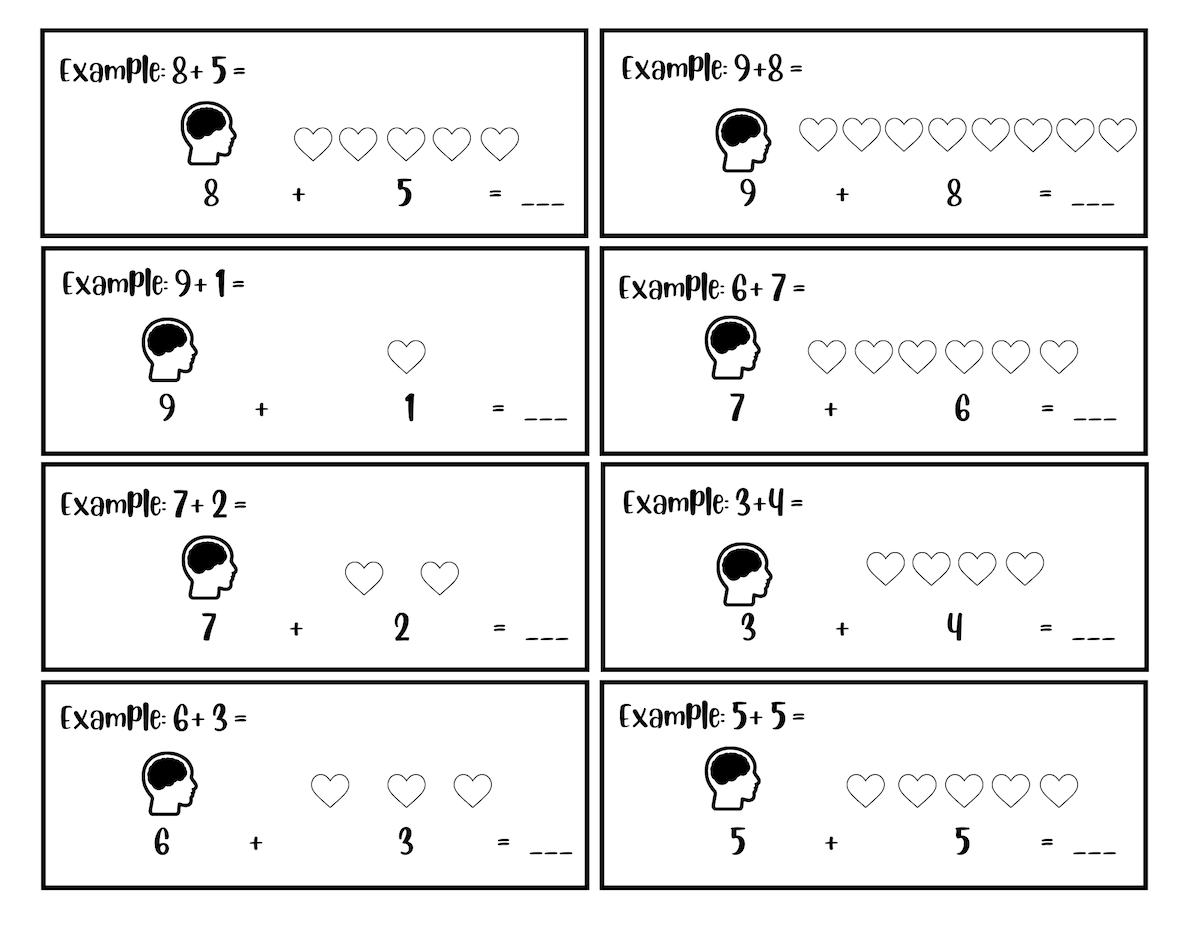
Understanding addition by counting on through the lens of multiple intelligences offers a dynamic and engaging approach to mathematical learning. By integrating strategies that cater to diverse learning styles—linguistic, mathematical, visual-spatial, bodily-kinesthetic, interpersonal, intrapersonal, musical, and naturalistic—students gain a comprehensive understanding of addition concepts. This method not only makes learning more accessible but also fosters Read more
-
Adding to a Target Number Games to Boost Math Facts Retention
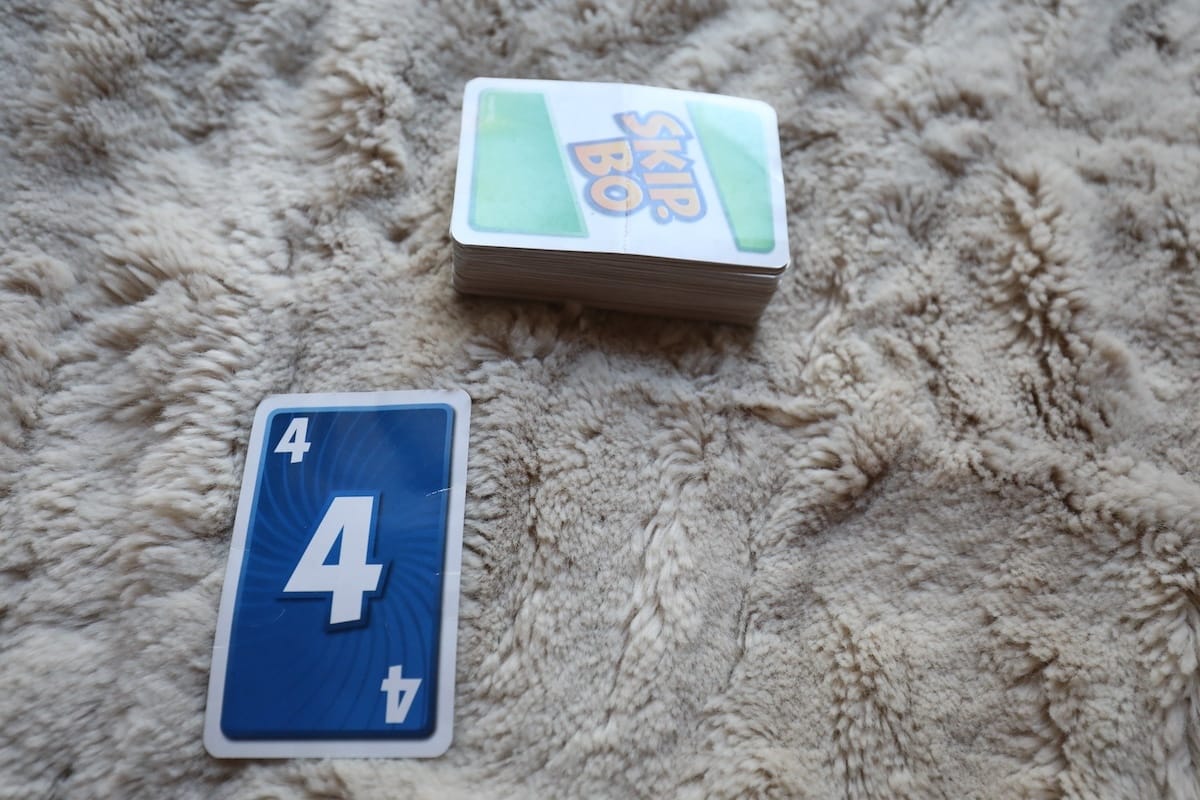
Unlock the Power of Numbers: Experience the Fun of Adding to a Target Number Games! Imagine a game that’s as thrilling as a treasure hunt, as strategic as chess, and as engaging as solving a mystery—all while strengthening your math skills without even realizing it. Welcome to the world of Adding to a Target Number Read more
-
Teaching a Child How to Add Using Two Distinct Colors When Learning Addition
Why It’s Important: Teaching addition with two distinct colors helps children visually differentiate and understand how quantities combine. This method enhances cognitive connections between numerical values and physical representations, promoting hands-on learning and making abstract math concepts more concrete. Steps to Teach Addition Using Two Distinct Colors: Key Concepts Reinforced: By using two distinct colors, Read more
-
Teaching a Child How to Add Using the Part-Part-Whole Method When Learning Addition
Why It’s Important: The part-part-whole method helps children understand the relationship between numbers by breaking down addition into manageable parts. This method fosters a deep comprehension of how numbers combine to form a whole, enhancing mental math skills and laying the groundwork for more advanced mathematical concepts. Steps to Teach Addition with the Part-Part-Whole Method: Read more
-
Teaching a Child How to Add Using a Target Number (5) and Hidden Parts When Learning Addition
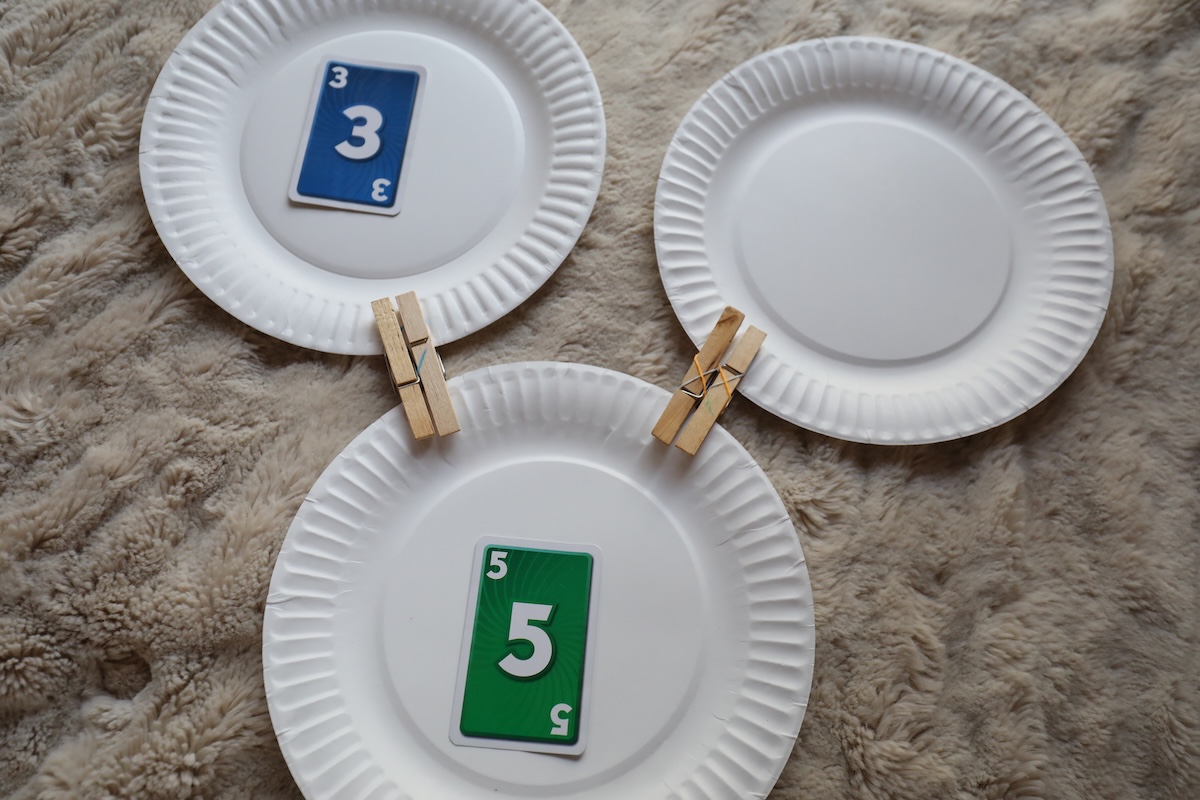
Why It’s Important: Understanding addition through the concept of a target number with hidden parts helps children develop strong number sense. It encourages mental math, fosters critical thinking, and lays the foundation for understanding part-whole relationships, which are essential in more advanced mathematical concepts. Steps to Teach Addition with a Target Number (5) and Hidden Read more
-
Teaching a Child How to Add Using Number Bonds When Learning Addition
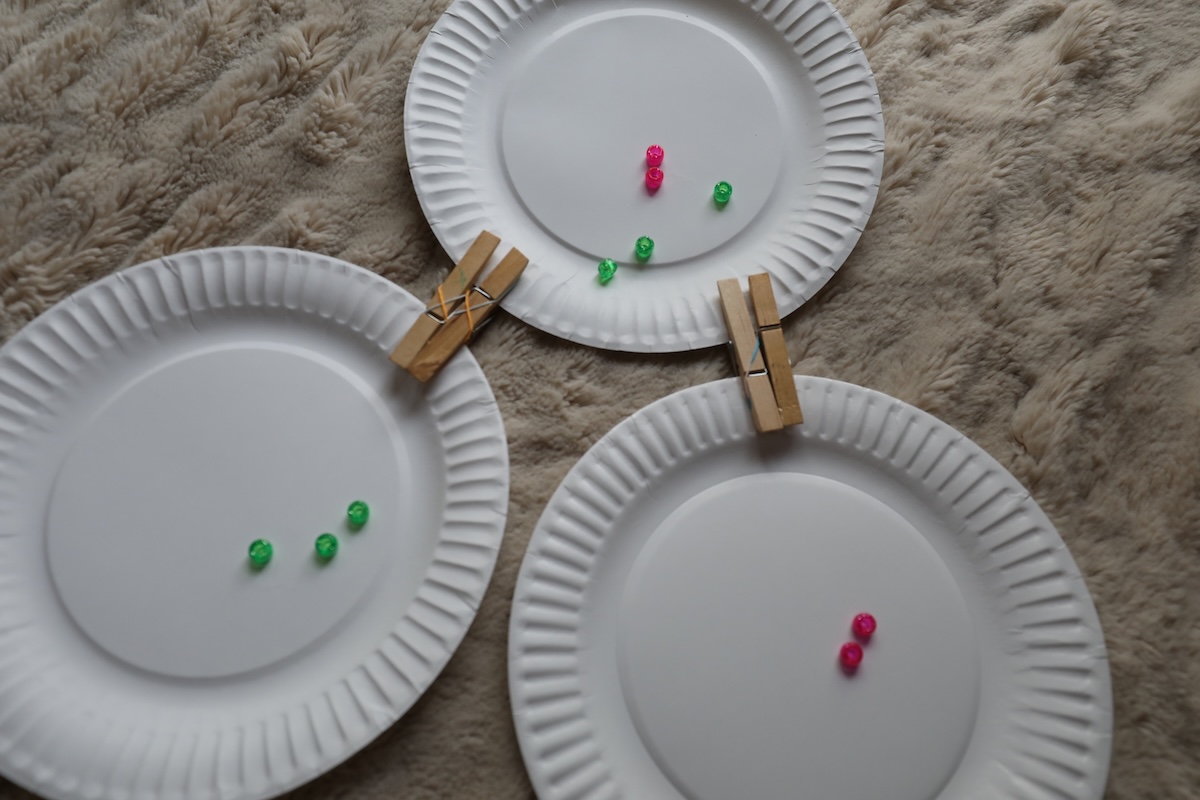
Why It’s Important: Number bonds help children understand the relationship between numbers and how they come together to form a sum. This method strengthens mental math skills, encourages flexible thinking about numbers, and lays a strong foundation for more complex mathematical concepts. Steps to Teach Addition with Number Bonds: Key Concepts Reinforced: By using number Read more